
No products
Product successfully added to your shopping cart
There are 0 items in your cart. There is 1 item in your cart.
Modeling tools and accessories
- Types of games
- Accessories
- RPG
- Trading Cards
- Living Card Game (LCG)
- Trading Card Game (TCG)
- Cardfight!! Vanguard TCG
- Cyberpunk TCG
- Digimon TCG
- Dragon Ball TCG
- Final Fantasy TCG
- Flesh & Blood TCG
- Force of Will TCG
- Hololive Official Card Game
- Lorcana Disney TCG
- Magic the Gathering
- Gundam TCG
- My Hero Academia: The Card Game
- One Piece TCG
- Palworld
- Pokémon TCG
- Shadowverse Evolve
- Star Wars: Unlimited TCG
- Yu-Gi-Oh! TCG
- Vampire: The Eternal Struggle TCG
- Weiß Schwarz
- Wixoss
- Miniatures (WarGames)
- Aristeia!
- Armada
- Batman Miniatures Game
- Song of Ice and Fire
- Conquest - The Last Argument Of Kings
- DC Universe Miniature Game
- Deadzone
- Dystopian Wars
- Scenography
- Fallout: Wasteland Warfare
- Firefight
- Flames Of War
- Freebooter's Fate
- Frostgrave
- Harry Potter Miniatures Adventure Games
- Heroclix
- Infinity
- Kensei
- Kings of War
- Marvel Crisis Protocol
- Ninja All-Stars
- Pathfinder Battles
- Punkapocalyptic
- Relic Knights
- Skytear
- Starfinder Miniatures
- Star Wars: Imperial Assault
- Star Wars Legion
- Star Wars Shatterpoint
- Star Wars: X-Wing
- The Drowned Earth
- The Elder Scrolls
- The Path of the Adventurers
- The Walking Dead: All Out War
- Warlord Games
- Warmonger
- Warpath
- Wild West Exodus
- WizKids
- Wolsung
- World Of Tanks
- World War III
- Wyrd Malifaux
- Collectibles
- Manga
- SUPER DEALS!
 View larger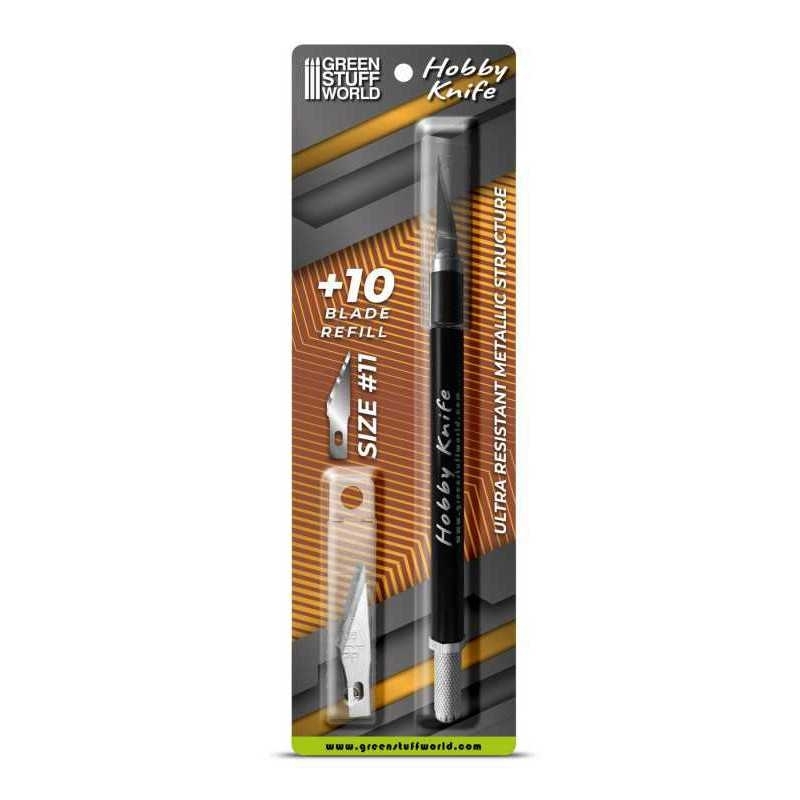
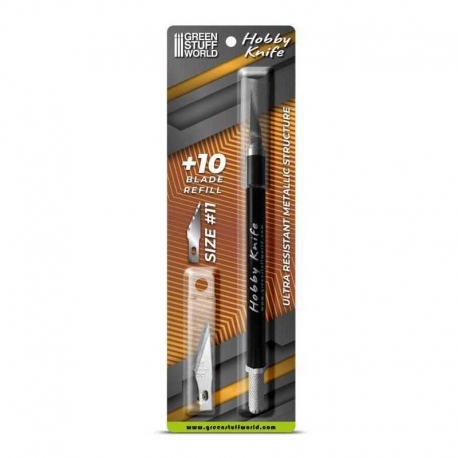
Craft cutter
ENVÍO EN 8-10 DÍAS*
8435646505268ES
8435646505268
By buying this product you can collect up to 1 loyalty point. Your cart will total 1 point that can be converted into a voucher of 0,10 €.
More info
What is a craft knife?
Craft knives, also known as precision cutters or craft scalpels, are an essential cutting tool for various model-making projects. Green Stuff World offers a professional model knife with all metal components to prevent breakage. It features a rubberized handle for a comfortable grip and is 10 mm thick to ensure a strong hold. It includes one very sharp #11 cutting blade, perfect for plastic or metal pieces. The set includes a protective cap for the sharp edge.
CONTAINS: 1 craft knife + 10 replacement blades
MEASUREMENTS:
- Diameter: 10 mm
- Length: 12.5 cm
What are the possible uses of a craft knife in the Model making?
These are essential tools for various craft and modeling projects. These modeling cutters are designed to provide precision and control when cutting, carving, and detailing various materials. Here are some common uses for craft and modeling cutters:
- Cutting: They are excellent for cutting materials such as paper, cardboard, foam board, plastic sheets, and thin wood. They are especially useful for making precise cuts and intricate shapes.
- Trimming: When working with models or miniatures, they are used to trim excess material, such as flash or mold lines on plastic model parts, or to remove excess glue or putty.
- Carving: They can be used to carve and shape various materials, such as softwoods, foam, and polymer clay. They are ideal for creating fine details and textures on sculptures, models, and Dioramas.
- Scratching and tracing: The sharp, pointed tips are useful for scratching and tracing lines on materials such as plastic, metal, or balsa wood. This technique is commonly used in model making to create panel lines, rivet details, or engraved markings.
- Cutting airbrush stencils: These are perfect for cutting out intricate designs and shapes from stencils, adhesive vinyl, or masking tape for painting, airbrushing, or mixed media projects.
- Decal trimming: When applying decals or stickers to models or surfaces, these can be used to trim excess material around the edges, ensuring a clean, professional-looking finish.
- Detail work: These are indispensable for performing delicate and precise detail work, such as engraving fine lines, cleaning up edges, or adding texture to surfaces.
- Cutting mats: These tools are equipped with sharp blades that are used with cutting mats to cut artwork or photographs. for framing. They can create beveled edges and precise cuts to enhance the presentation of the artwork.
- Paper crafts: They are widely used in papercraft projects such as scrapbooking for tasks like cutting intricate designs, scoring folds, and creating custom shapes and embellishments.
- General crafts and DIY: They have countless applications in various projects, including model building, jewelry making, fabric cutting, and much more.
How to change the blade on a craft knife?
Changing the blade on a craft knife is A simple process. Here is a general step-by-step guide:
- Ensure your safety: Before you begin, make sure you are working on a stable surface and wearing appropriate safety equipment, such as gloves and safety glasses, to protect your hands and eyes.
- Loosen the back lock. Loosen the back of the silver handle of your craft knife. This will unlock the mechanism that locks the blade in place.
- Remove the old blade: Grasp it carefully near its base. Slowly and gently pull it out of the handle. Be careful not to touch the sharp edge.
- Dispose of it safely: Place the old blade in a designated waste container or wrap it in several layers of tape to prevent accidental injury during disposal.
- Prepare the replacement blade: Unwrap the new blade from its packaging. Be careful of the sharp edge and handle it carefully.
- Insert the replacement blade: Hold the new blade by the sides and align it with the knife handle. Insert the blade completely into the holder, making sure it is properly seated.
- Lock the blade again: Hook it into place to secure it.
- Test the tool: After reinstalling the blade, test the tool to ensure it is properly seated and functioning correctly. Be careful with the sharp edge of the new blade.
By following these steps, you can safely and efficiently change the blade on your precision cutter, ensuring it stays sharp and ready for your work.
"30 other products in the same category:
-
Long Grass...
4,90 €
-
Broken tree...
4,90 €
-
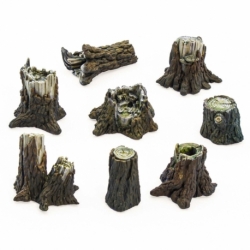
Medium-size...
4,90 €
-
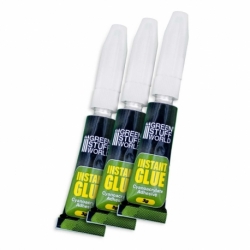
Cyanoacryla...
4,90 €
-
5mm Birch...
4,90 €
-
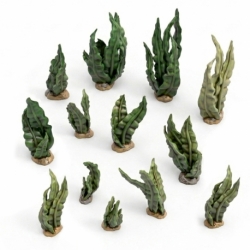
Wavy...
4,90 €
-
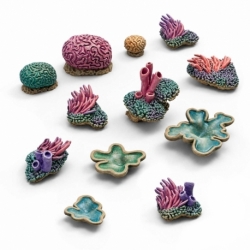
Coral Reef...
4,90 €
-
ABS...
4,90 €
-
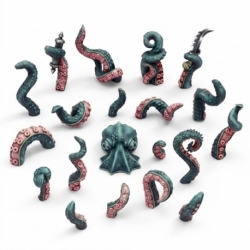
Kraken...
5,90 €
-
Plates of...
5,90 €
-
Clear...
5,90 €
-
Transparent...
5,90 €
-
Silicone...
5,90 €
-
Crystal...
5,90 €
-
Broken...
5,90 €
-
DM Bases -...
6,90 €
-
DM Bases -...
6,90 €
-
Broken...
5,90 €
-
DM Bases -...
7,90 €
-
Compact...
8,90 €
-
Broken...
5,90 €
-
Texturizing...
9,90 €
-
Deep Strike...
6,90 €
-
Half module...
10,90 €
-
Deep Strike...
6,90 €
-
Sculpey...
12,90 €
-
Slow-settin...
6,90 €
-
Hollow...
12,90 €
-
Watermarks...
9,90 €
-
Empty...
13,90 €
