
No products
Product successfully added to your shopping cart
There are 0 items in your cart. There is 1 item in your cart.
Modeling tools and accessories
- Types of games
- Accessories
- RPG
- Trading Cards
- Living Card Game (LCG)
- Trading Card Game (TCG)
- Cardfight!! Vanguard TCG
- Cyberpunk TCG
- Digimon TCG
- Dragon Ball TCG
- Final Fantasy TCG
- Flesh & Blood TCG
- Force of Will TCG
- Lorcana Disney TCG
- Magic the Gathering
- Gundam TCG
- My Hero Academia: The Card Game
- One Piece TCG
- Pokémon TCG
- Star Wars: Unlimited TCG
- Yu-Gi-Oh! TCG
- Vampire: The Eternal Struggle TCG
- Weiß Schwarz
- Miniatures (WarGames)
- Aristeia!
- Armada
- Batman Miniatures Game
- Song of Ice and Fire
- Conquest - The Last Argument Of Kings
- DC Universe Miniature Game
- Deadzone
- Dystopian Wars
- Scenography
- Fallout: Wasteland Warfare
- Firefight
- Flames Of War
- Freebooter's Fate
- Frostgrave
- Harry Potter Miniatures Adventure Games
- Heroclix
- Infinity
- Kensei
- Kings of War
- Marvel Crisis Protocol
- Ninja All-Stars
- Pathfinder Battles
- Punkapocalyptic
- Relic Knights
- Skytear
- Starfinder Miniatures
- Star Wars: Imperial Assault
- Star Wars Legion
- Star Wars Shatterpoint
- Star Wars: X-Wing
- The Drowned Earth
- The Elder Scrolls
- The Path of the Adventurers
- The Walking Dead: All Out War
- Warlord Games
- Warmonger
- Warpath
- Wild West Exodus
- WizKids
- Wolsung
- World Of Tanks
- World War III
- Wyrd Malifaux
- Collectibles
- Manga
- SUPER DEALS!
 View larger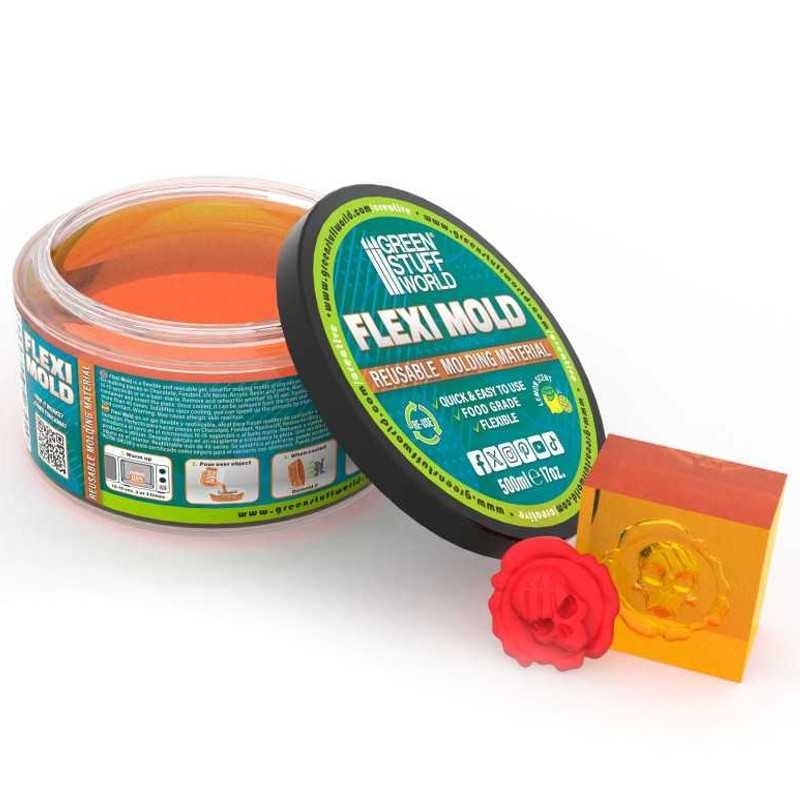
Flexi Mold - Reusable mold material
ENVÍO EN 8-10 DÍAS*
8435646527949ES
8435646527949
By buying this product you can collect up to 2 loyalty points. Your cart will total 2 points that can be converted into a voucher of 0,20 €.
More info
What is Flexi Mold and how does it work?
Flexi Mold is an innovative and versatile material designed for making reusable 1- or 2-sided molds, offering a sustainable and reusable alternative to traditional silicone molds. It can be melted and reused many times, making it a cost-effective and environmentally friendly option for a wide variety of applications. It is flexible, food-grade, and allows you to correct any mistakes by remelting and starting over. Being biodegradable and containing no petroleum-derived components, it is an environmentally friendly choice.
To use Flexi Mold, heat it (preferably in a microwave), pour it over the object you wish to reproduce, and let it cool. Once solidified, it will accurately capture intricate details, making it ideal for artistic, culinary, and parts production purposes.
Flexi Mold is a superior alternative to Silicone offers several clear advantages over traditional silicone molds:
Performance: It is reusable, significantly reducing material costs over time. Environmental Safety: Being biodegradable and free of harmful chemicals, it is a safer option for the planet. Correctable: If a mistake occurs, it can be remelted and remolded without wasting material. Ease of Use: Unlike silicone, it requires no mixing or curing agents, simplifying the process. Food Safe: It can be used in the culinary process.Although working with silicone allows for more durable molds, for single-use applications, its reusable and eco-friendly nature makes it an excellent alternative for most people. projects.
Important Usage Tip:
This product should only be heated in microwave-safe containers, such as the Flexi Mold packaging itself. Using incompatible containers could melt them and even damage the product, creating unsafe handling conditions.
How many times can Flexi be reused? Mold?
Its reusability and food compatibility are its most significant advantages. Generally, when used correctly and with proper care, Flexi Mold can be reused more than 35 times.
In fact, with careful handling, its lifespan could be extended to more than 100 times. By avoiding overheating above 82°C (180°F) and filtering out residue after each use, more than 35 cycles can easily be achieved. Users have reported extending its lifespan to more than 100 remelting processes. Filter out residue and particles to keep it clean and efficient for future use.The cooling time depends on the size and thickness of the piece. Small pieces (about 300 ml or 10 ounces) solidify completely in about 2 hours at room temperature. To speed up the process, place it in the refrigerator, where the cooling time can be accelerated. Larger pieces Smaller sizes may need more time to solidify completely.
Usage Process
- Melt: Heat until it becomes liquid. You can do this in a microwave, always in short heating intervals 10-15 seconds 2-3 times, or in a double boiler. Heating it suddenly in the microwave could cause burns.
- Pour: Pour the molten material onto your object or into a casting box to make your mold.
- Cool: Allow it to solidify completely by letting it cool to room temperature or refrigerating it for faster results.
- Reuse: When you no longer need it, reheat the product to reshape it or create a new one.
How do I safely melt the Flexi mold?
It can be melted in the microwave or in a double boiler using the container itself. Flexi Mold.
1. Microwave Method: Use short heating intervals to avoid overheating and, consequently, product degradation. Typical heating times are as follows, although it is best to constantly monitor its condition as it liquefies.
- 300ml (10 oz.): 1-2 minutes. Select the time on your microwave and stop it every 10-15 seconds to check the Flexi Mold. Continue heating until ready to use.
- 600ml (20 oz.): 3-5 minutes. Use the technique explained above, but you can extend the intervals by a few seconds.
- 1200ml (40 oz.): 7-10 minutes. In this case, the intervals will be somewhat longer.
The product should be heated in short periods of time 10-15 seconds, so if we try to save time and heat it for more than 1 minute continuously, the product could burn.
2.- Double boiler method: Place it in a container inside another pot of water. This method keeps the temperature below 100°C (212°F), reducing the risk of burns.
Stir it during heating to ensure even melting and prevent overheating of your container. Remember to stir it only superficially to avoid introducing air and forming bubbles that will transfer to the mold, creating imperfections.
What materials can be used to cast with Flexi Mold?
Flexi Mold is versatile and works well with many casting materials, including:
- Plaster, Acrylic Resin, and Gypsum: Ideal for decorative items and projects artistic.
- Resins: We recommend using slow-curing epoxies or polyurethanes only for small pieces to avoid overheating.
- Chocolate and sweets: Flexi Mold is food-safe, making it perfect for culinary creations. It is certified for contact with food, making it ideal for chocolate, fondant, and other confectionery projects. However, always ensure the material is clean before use.
- Candle and soap wax: Cool it before pouring hot materials to ensure faster cooling.
It can even be used to shape unique materials like polymer clay, guaranteeing smooth and detailed results. Remember that after shaping the clay, you must bake it, without the mold, to make it resistant and prevent it from losing its shape.
Example of use with wax:
Precautions when using resin with Flexi Mold
The resin generates heat during curing, so several points should be considered before using it.
- Size: Larger projects tend to produce more heat due to the greater volume of resin reacting. Therefore, you should only use it for small projects. Otherwise, the accumulated heat will damage the mold, potentially melting it.
- Ambient Temperature: Ambient temperatures affect the lengthening or shortening of the curing process for these materials.
- Resin Type: Different resins have different curing characteristics, including the amount of heat they release. Consult the manufacturer's manual for proper curing.
- Additives: Additives such as pigments or fillers can affect the curing process.
- Cooling: When using these materials, which work with heat, we advise allowing them to cool completely.
Understanding these factors helps achieve better results with resin projects.
How do I clean and maintain the Flexi Mold?
Cleaning is simple. Use a cool, damp cloth to remove residue, avoiding immersing it in hot water, as the material can dissolve in hot water. For molds with embedded particles, remelt the resin and filter it through a fine mesh or filter. to restore its purity.
Store it in a cool, dry place, always protected from extreme temperatures to prevent it from losing its properties and deteriorating. This way, it will be ready for your next project.
What are the recommended temperatures for using this reusable material?
The reusable Flexi Mold melts at approximately 60°C (140°F) and can withstand temperatures up to 82°C (180°F) during heating. When working with high-temperature casting materials, chill the product in the refrigerator for a few minutes before pouring to prevent warping.
Can Flexi Mold be used for two-part molds?
Yes, it is ideal for creating two-part molds. One way to do this is as follows:
- Prepare the base: Start by embedding your object halfway into a layer of clay. Shape the clay. Carefully cover half of the object, ensuring the edges are smooth to minimize seam lines and achieve a better fit between the halves.
- Prepare the mold box: Place the clay and the object to be duplicated in a container for pouring the Flexi Mold. Apply a release agent evenly over the exposed surface of the object and the surrounding clay.
- Pour the first half: While the release agent is still wet, pour the molten molding material over the exposed part of the object. Ensure it covers the entire surface. Allow the material to cool and solidify completely.
- Prepare the second half: Once the first half has solidified, carefully remove the clay and apply a release agent to the surface of the solidified part. Chill this first half in the freezer to prevent it from melting during the second pour.
- Pour the second Half: Reheat the molding material to a temperature between 50°C and 60°C (120°F-135°F). Let it cool slightly until it can be poured but is not too hot. Pour the material over the remaining half of the object and the first half. Finish: Let the second half solidify completely. Once cooled, it's ready to use! By following these steps, you can create accurate molds with minimized seam lines and a seamless fit between the halves. How can bubbles be minimized in a Flexi Mold? To avoid bubbles: Pour slowly and steadily. Use a vibrating surface to release trapped air. Apply a thin layer.
- Seal porous objects to prevent air from escaping during molding.
Is it safe for pets or accidental ingestion?
It is a non-toxic material made with food-safe ingredients. However, if substances such as polyurethanes, plaster, or mold release agents are incorporated into the mold-making process, it may no longer be safe for consumption. Always check the safety data sheet for those materials with which the product was mixed to ensure safety.
Interestingly, some dog owners have reported their pets ingesting it, as it seems to pique their curiosity. In all cases, the dogs were fine. That said, if your dog exhibits any unusual behavior or symptoms, it is best to consult a veterinarian as a precaution.
Warnings before use
Flexi Mold is a partially soluble material in water, so it can dissolve in contact with this liquid. That's why filling molds with water-based mixtures (such as acrylic resin, plaster, or gypsum, among others) is not recommended without taking the appropriate precautions. To achieve optimal results with these mixtures, it is absolutely necessary to apply a layer of mold release agent to the inside of the mold, which will protect it from the moisture of the materials inside. Specifically, at Green Stuff World, we recommend using petroleum jelly for molding, as our team of experts has verified its effectiveness.
It is important to note that once Flexi Mold is mixed with petroleum jelly, it will no longer be a food grade product and, therefore, cannot be reused to create molds for culinary recipes. Furthermore, it is recommended to clean off as much petroleum jelly as possible before reusing it to prevent premature degradation of the product.
"30 other products in the same category:
-
WET...
2,99 €
-
SANDPAPER -...
2,99 €
-
SANDING...
2,99 €
-
SANDING...
2,99 €
-
SANDING...
2,99 €
-
DAS paste...
3,99 €
-
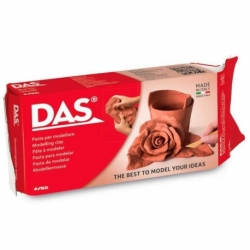
Terracotta...
3,99 €
-
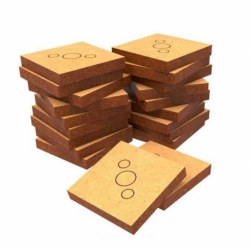
DM pads -...
3,99 €
-
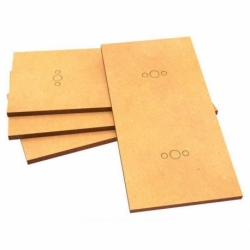
Peanas DM -...
3,99 €
-
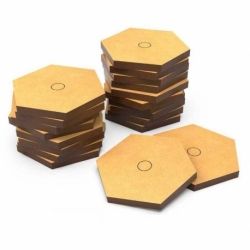
Hexagonal...
3,99 €
-
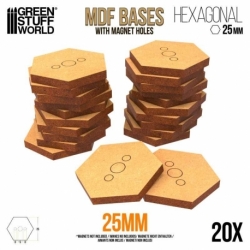
Peanas DM -...
3,99 €
-
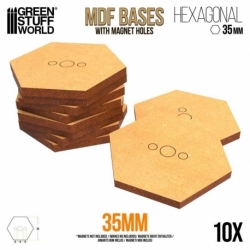
Peanas DM -...
3,99 €
-
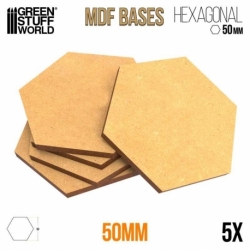
Peanas DM -...
3,99 €
-
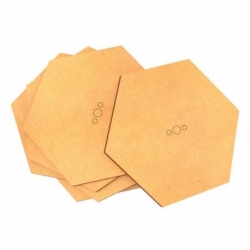
Peanas DM -...
3,99 €
-
Peanas DM -...
3,99 €
-
Peanas DM -...
3,99 €
-
Peanas DM -...
3,99 €
-
Peanas DM -...
3,99 €
-
Peanas DM -...
3,99 €
-
Peanas DM -...
3,99 €
-
Peanas DM -...
3,99 €
-
Peanas DM -...
3,99 €
-
Peanas DM -...
3,99 €
-
Peanas DM -...
3,99 €
-
Peanas DM -...
3,99 €
-
Peanas DM -...
3,99 €
-
Peanas DM -...
3,99 €
-
Peanas DM -...
3,99 €
-
Peanas DM -...
3,99 €
-
Peanas DM -...
3,99 €
